What is a Workflow in Ticketing Systems?
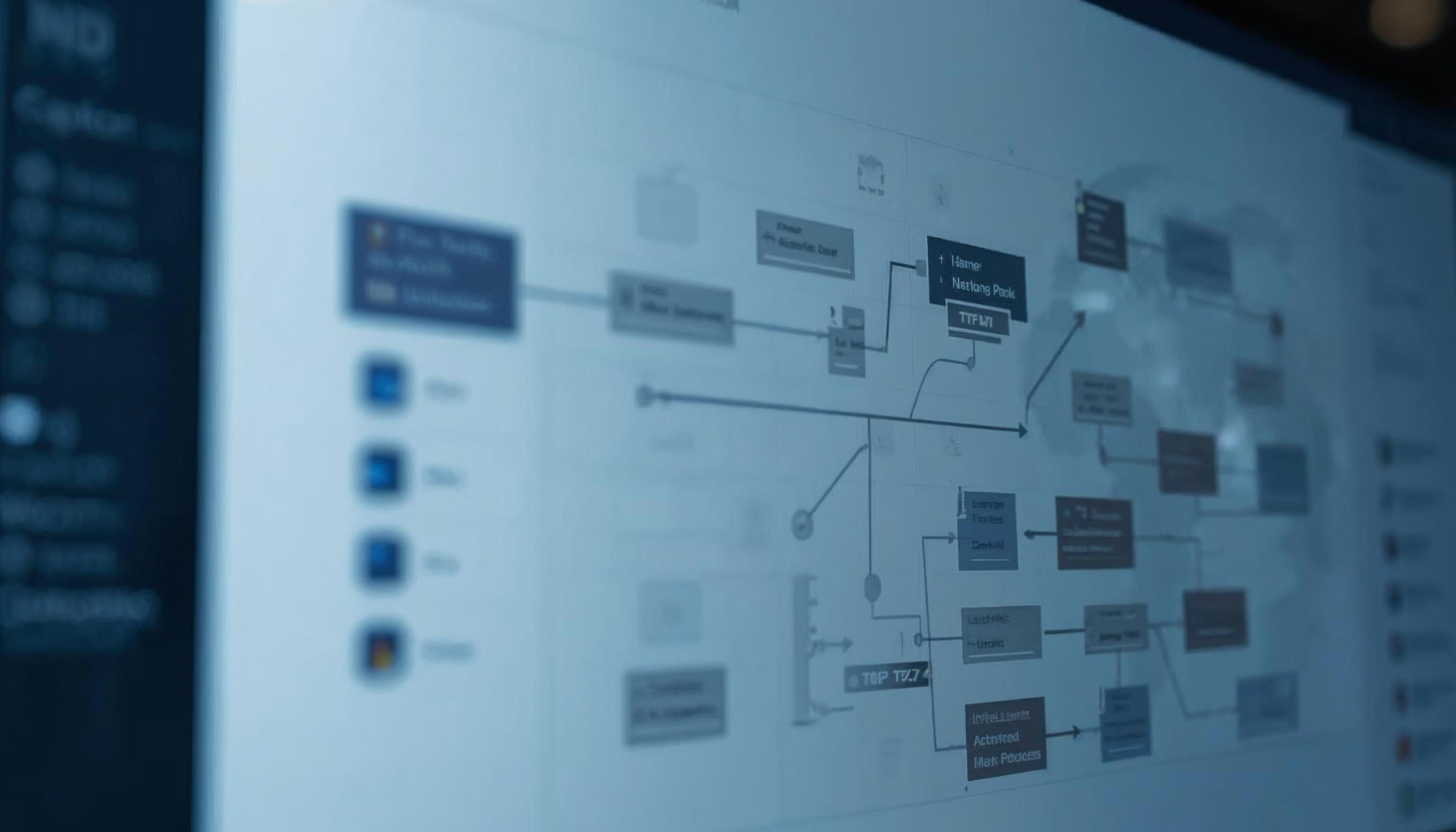
In ticketing systems, a workflow represents an operational framework that defines how tickets should be managed. It is a set of predefined rules and procedures that organize request routing, incident handling, and problem resolution.
Functioning as a coordinating engine, the workflow establishes the stages of work, the responsibilities of the teams involved, and the flow of information, minimizing manual tasks. In this way, each process proceeds in a consistent and controlled manner, ensuring adherence to operational timelines and SLAs (Service Level Agreements).
The Ticket Lifecycle: from creation to classification to closure
Each ticket follows a defined path, starting with its creation whether via email, web portal, or manual entry and the collection of key information.
Next, the ticket is classified and assigned to the most appropriate team or technician. During the process, the operator can update the status, add comments, handle any escalations, and apply the necessary solutions. The cycle concludes with the formal closure of the ticket, notification to the user, and often the collection of feedback, before the record is permanently archived.
Classification and Prioritization of Tickets
As soon as a ticket enters the system, it is automatically analyzed and categorized based on criteria such as keywords, metadata, type of issue (hardware, software, etc.), or originating department.
Based on this information, along with the estimated impact and urgency, the priority level is determined. This structured approach allows critical requests to be quickly routed to the most qualified operators, improving resolution times and increasing user satisfaction.
Workflow Automation: Routing, Triggers and Escalations
Workflow automation allows repetitive tasks to be delegated to the software by defining conditions and actions that are automatically triggered when certain events occur (triggers), such as the creation of a new ticket. Based on the assigned priority and category, the system executes automated processes such as:
- Routing the ticket to the most suitable operator,
- Sending notifications to users and the teams involved,
- Managing escalations for critical issues.
The Role of AI in Ticket Management Automation
Artificial Intelligence can accelerate and optimize ticketing system management through automatic classification. AI instantly analyzes requests based on keywords and metadata to categorize them, assign priority, and route them to the correct department, ensuring rapid handling of escalations.
Continuous Workflow Optimization in Ticket Management
Help desk processes must be continuously monitored and updated to adapt to organizational changes and user feedback. Thanks to reporting and data analysis tools, it is possible to evaluate key KPIs such as:
- Volume of tickets handled,
- Average resolution times,
- Individual operator performance.
This information allows bottlenecks and critical areas to be identified, providing clear guidance to refine procedures and continuously optimize the efficiency and quality of support.

